|
|
Seasonal Safety Message |
| By Captain Dave Pullen | |
| October 1, 2011 | |
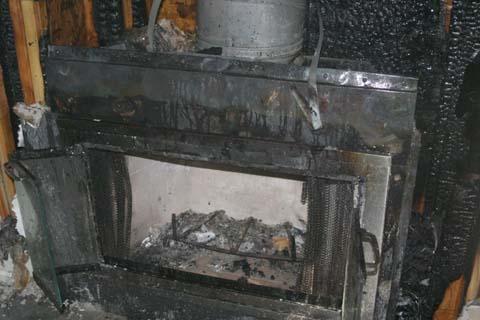
As cooler weather approaches, many homeowners will be turning on their furnaces and lighting their fireplaces for the first time in many months. This is a reminder for everyone to have your chimneys, fireplaces, furnaces/boilers, and hot water heaters checked by a qualified technician to ensure total safety in their operation. There are potentials for Carbon Monoxide (CO) poisoning and fire emergencies due to poor maintenance of these appliances. CO is an odorless and colorless gas that results from the combustion of fuel such as wood, natural gas, oil, gasoline, propane, coal, and kerosene. CO becomes a problem when the appliance falls into disrepair or malfunctions. A chimney flue can become clogged and the smoke products cannot escape properly from the fireplace. Or, if the fuel does not burn properly in the appliance, the CO can quietly creep through cracks or holes in the chimney or pipes into your home. The effects of CO poisoning include dizziness, confusion, nausea, and headaches. If CO levels go undetected, the poisoning could lead to death. A CO detector is designed to sound an alarm before the symptoms of CO poisoning are felt so the occupants may safely exit the structure and call 911. Chimney fires are a common occurrence during the fall and winter heating seasons. They are caused by a build-up of creosote in the chimney flue. When the homeowner lights the fireplace the heat builds and ignites the creosote. This material may burn for quite a while, often undetected. By the time the fire is found it may have extended beyond the containment of the chimney and into the house, creating a serious threat to life and property. Several times each year our company responds to working chimney fires, some of which cause tens of thousands of dollars in damage. Having a licensed and certified chimney sweep check and clean your chimney before its first use this season will reduce the chance of tragedy striking you and your family. Finally, place all discarded fireplace or smoking material ashes in a metal container outside and away from the home. Never leave ashes in the garage, on the hearth, or the back deck, and never package them in paper containers. Several serious house fires across Harford County have been caused by improper disposal of ashes. For more fire prevention information, visit the web site of the State Fire Marshal:
|
|
|
|