|
|
|
|
|
|
|
|
|
|
| By EMT Ken Sterner | |
| November 7, 2007 | |
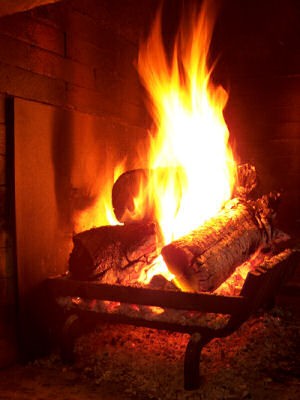
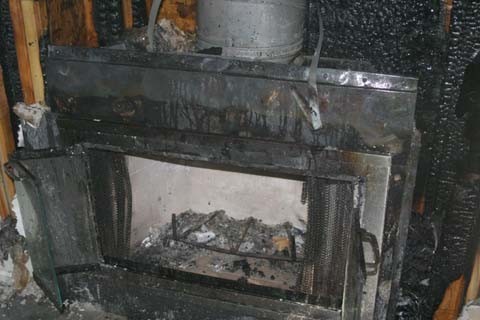
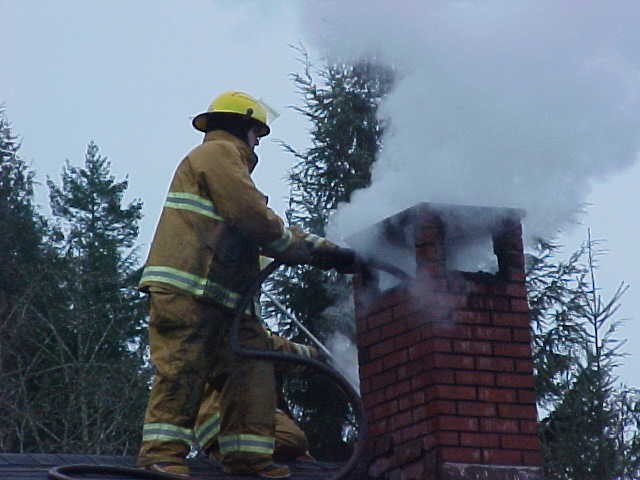
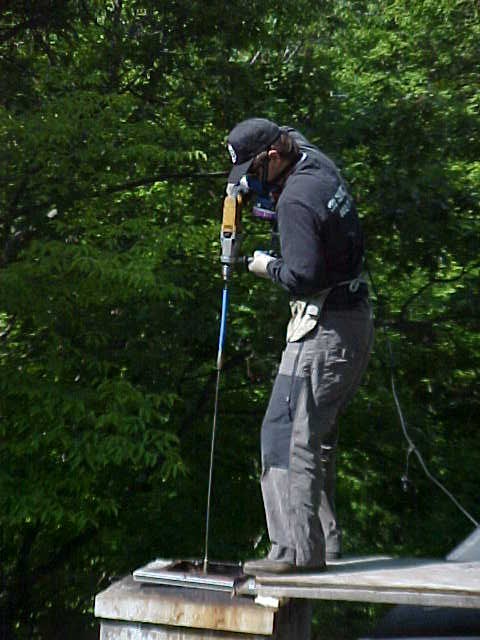
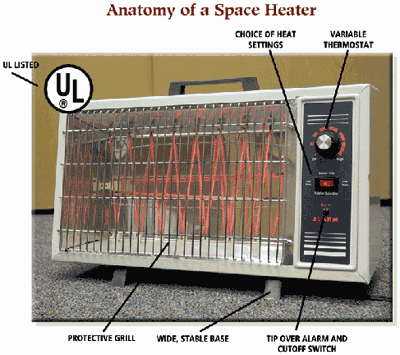
The weather has turned chilly, and most of us are preparing our homes for the coming winter, including the preparation of our heating systems. As you get ready for colder weather, please keep this in mind: Unsafe use of home heating equipment is responsible for tens of thousands of dwelling fires in the U.S, causing hundreds of deaths and injuries, each year... plus, millions and millions of dollars in property damage. These numbers have declined over recent years, but with natural gas and oil prices expected to increase, those of us who never used supplemental heating equipment may choose to do so, possibly increasing the risk of a fire in our home. Fireplaces and chimneys are involved in 43% of all home heating fires and 11% of the associated deaths. Although space heaters, including wood stoves, are involved in fewer home heating fires, many more deaths result. Most fireplace and chimney fires are caused by creosote build-up. The leading cause of space heater fires is placing the heaters too close to combustibles. Home heating equipment CAN be used safely, IF you follow these recommendations from the National Fire Protection Association (NFPA). - Do not use your oven to heat your home. - Do not use artificial logs in wood stoves. - Use only wood that is properly seasoned to reduce creosote build-up and the risk of a chimney fire. - Use only paper or kindling wood, not a flammable liquid, to start the fire. - Make sure your fireplace has a sturdy screen to prevent sparks from flying into the room. - Allow fireplace and woodstove ashes to cool before disposing, and use a metal container. - Have wood and coal stoves, fireplaces, chimneys, chimney connectors, and all other solid-fueled heating equipment inspected annually by a professional, and cleaned as often as inspections suggest. - Keep a 36-inch clearance between space heaters and anything that can burn. - Plug your electric space heater into an outlet with sufficient capacity and NEVER into an extension cord. - Make sure fuel-burning equipment is vented to the outside; the venting is kept clear; and the exit point is properly sealed around the vent, to make sure deadly carbon monoxide does not build up in the home. - When buying a new space heater, make sure it carries the mark of an independent testing laboratory and is legal for use in your community. (Some communities do not permit portable kerosene heaters.) - Be sure to have fixed space heaters installed by a qualified technician. - NFPA codes prohibit use of liquefied petroleum gas heaters with self-contained fuel supplies. - Test smoke alarms monthly; install a carbon monoxide alarm in a central location outside each sleeping area. - Use the proper grade of the proper fuel for your liquid-fueled space heater, and never use gasoline in any heater not approved for gasoline use. - Refuel only in a well-ventilated area AFTER the equipment has cooled. - Turn off space heaters when you leave the room and when manufacturer's instructions say they should be turned off. Have a warm and SAFE winter season! |
|