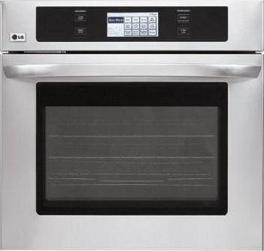
| It's that time of year again and while most people think of cooking and spending time with family, the fire service sees it differently - cooking fires during and after the holiday season. Most people cook a lot over the holidays which in turn causes some dynamic problems. Examples: spills inside the oven, forgotten items in the oven, oven part failures, and the most common of all... oven self-cleaning!
It is probably true that a great majority of the general population never reads the owners/operations manual for their oven. Have you? This is why the fire service has so many calls for oven fires when people are using the self-cleaning mode. People simply don't understand what is happening when they start the self-cleaning mode.
The basic idea of the self-cleaning mode is, "BURN BABY BURN!"
Self-cleaning ovens use a temperature cycle of approximately 900 degrees Fahrenheit (482 degrees Celsius) to burn off spills leftover from baking without the use of any chemicals. This self-cleaning mode will create smoke and will most definitely create a fire if the oven is really dirty or there is something left inside.
To prevent burn injuries and the spread of fire, ovens are also designed with a mechanical interlock to keep the oven door locked and closed during the high-temperature cleaning cycle.
During operation, the oven door stays locked and cannot be opened until the oven cools to approximately 500 to 600 degrees Fahrenheit. This cycle can take up to three hours to complete depending on the model of your oven.
So, if you are using the self-cleaning mode of your oven this holiday season and believe you now have a fire inside your oven, call 911. If the fire is contained to the oven, tell the 911 dispatcher this and also what type of structure you live in - single family home, apartment, townhouse... this information is important so that the life safety hazard is known.
While ovens have always been the typical way to cook, deep fat fryers have become increasing popular. An excerpt from the National Fire Protection Association:
Propane-fired turkey fryers are designed for outdoor use, particularly for Thanksgiving, by which time both rain and snow are common in many parts of the country. If rain or snow strikes exposed hot cooking oil, the result can be a splattering of the hot oil or a conversion of the rain or snow to steam, either of which can lead to burns. Use of propane-fired turkey fryers indoors to avoid bad weather is contrary to their design and dangerous in its own right. Also, moving an operating turkey fryer indoors to escape bad weather is extremely risky. Fires have occurred when turkey fryers were used in a garage or barn or under eaves to keep the appliance out of the rain.
http://www.nfpa.org/itemDetail.asp?categoryID=1700&itemID=41092&URL=Safety%20Information/For%20consumers/Causes/Cooking/Turkey%20fryers&cookie%5Ftest=1
The Jarrettsville Volunteer Fire Company encourages you to cook safely and away from your house, deck, garage, and combustibles. Have safe and enjoyable holidays and remember to read your owners manual.
Please take the time to watch this video from Underwriters Laboratories on deep fat fryer safety:
http://www.ul.com/global/eng/pages/offerings/perspectives/consumer/productsafety/turkeys/ |